
Kōgakuji · Reno, Nevada
About Facing the Mountain
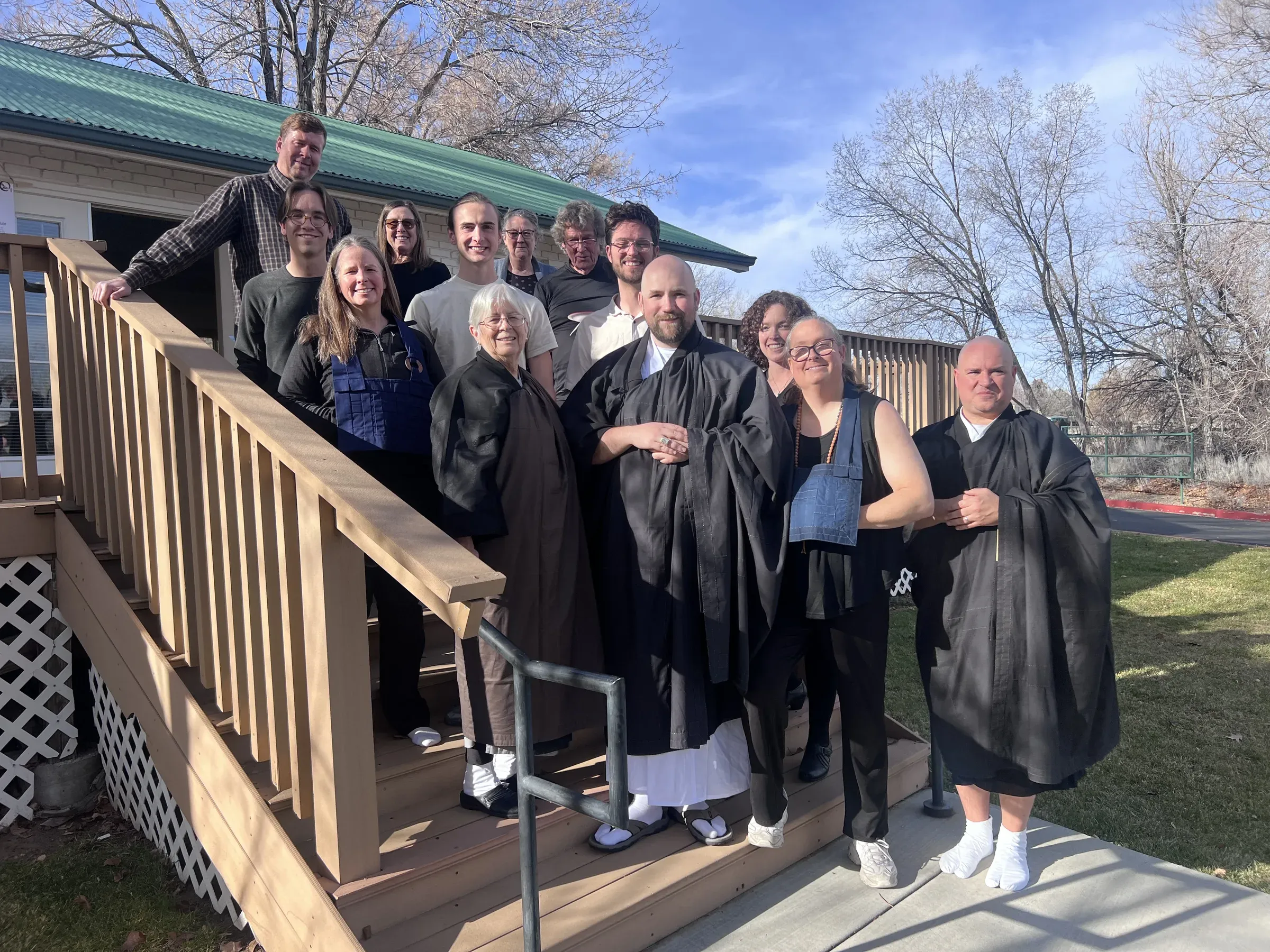
Facing the Mountain Zen Group is a Sōtō Zen Buddhist community practicing in Reno, Nevada. We gather for zazen, liturgy, study, ceremonies, retreats, and the shared work of bringing the Buddha’s way into ordinary life.
The sangha grew from informal meetings beginning in 2013 and was convened as a public practice group by Rev. Shinzan Sekibu Alice Tulloch in 2014. Since then, Tuesday zazenkai at Dharmakaya Buddhist Center has remained the steady center of our communal practice.
Our form is intentionally modest. We do not own a temple building, but we maintain a regular place and rhythm of practice, train people in the forms and teachings of Sōtō Zen, and care for the life of a local sangha.
Teachers and practice leaders
Facing the Mountain is guided by ordained teachers and practice leaders whose training is rooted in both the Zen tradition and the conditions of contemporary household and community life.
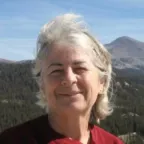
Rev. Shinzan Sekibu Alice Tulloch

Founding teacher · Teacher emerita
Sekibu Alice Tulloch convened Kōgakuji, Facing the Mountain Zen Group, in Reno in 2014. She began Zen practice in 1972 with a group in Eugene, Oregon. After many years of practice, she ordained with Myoan Grace Schireson in 2012 and received Dharma Transmission from Myosho Baika Andrea Heaton in 2018.
Alice is a graduate of the SPOT Leadership Program of the Shogaku Institute and has trained in Nonviolent Communication. After a full career as an environmental engineer, she expanded her Buddhist practice through engagement with climate issues.
She is also a long-distance hiker whose pilgrimages have included the John Muir Trail, Pacific Crest Trail, Continental Divide Trail, and Camino de Santiago. The integration of Zen, climate action, and pilgrimage remains a vital part of her practice.
Alice now serves the sangha in an emerita role, offering senior guidance, continuity, and the perspective of more than fifty years of Zen practice.
Not Knowing. Bearing Witness. Appropriate Action.

Jeff Urmston (Sōbu Tetsuzan)

Priest · Practice leader
Jeff Urmston began practicing Zen in 2003 while studying in Hiroshima, where he first encountered intensive temple practice at Butsuji. He has practiced with Alice Tulloch since 2012 and helped establish Facing the Mountain from its earliest meetings in 2013. Alice ordained him as a novice priest in June 2024, and he now serves as a priest and practice leader for the sangha.
Jeff studied mathematics and philosophy at the University of Nevada, Reno and works as a software engineer. He has also practiced and taught Hawaiian Kenpo for nearly thirty years. Earlier in his career, he designed casino games and studied the psychology and economics of gambling—experience that continues to shape his interest in attention, habit, technology, and the ethics of work.
Jeff and his wife are raising three children in Reno. His priest training is rooted in household life and in the question of how monastic discipline and Zen vows can be lived honestly amid work, family, caregiving, and service to a local community.
Our Western lineage
Facing the Mountain belongs to the Western Sōtō Zen stream that developed through San Francisco Zen Center and Berkeley Zen Center. Our inheritance is carried through relationships among teachers, practitioners, and communities rather than through institutions alone.
Alice received Dharma Transmission from Myosho Baika Andrea Heaton in 2018. Baika’s care and teaching helped support the family of mountain sanghas with which Facing the Mountain remains closely connected.
Through Baika’s practice at Berkeley Zen Center and her relationship with Sojun Mel Weitsman Roshi, our sangha is connected to the lineage of Shunryu Suzuki Roshi and the communities that grew from his teaching in the United States.
Dōgen and the Sōtō way
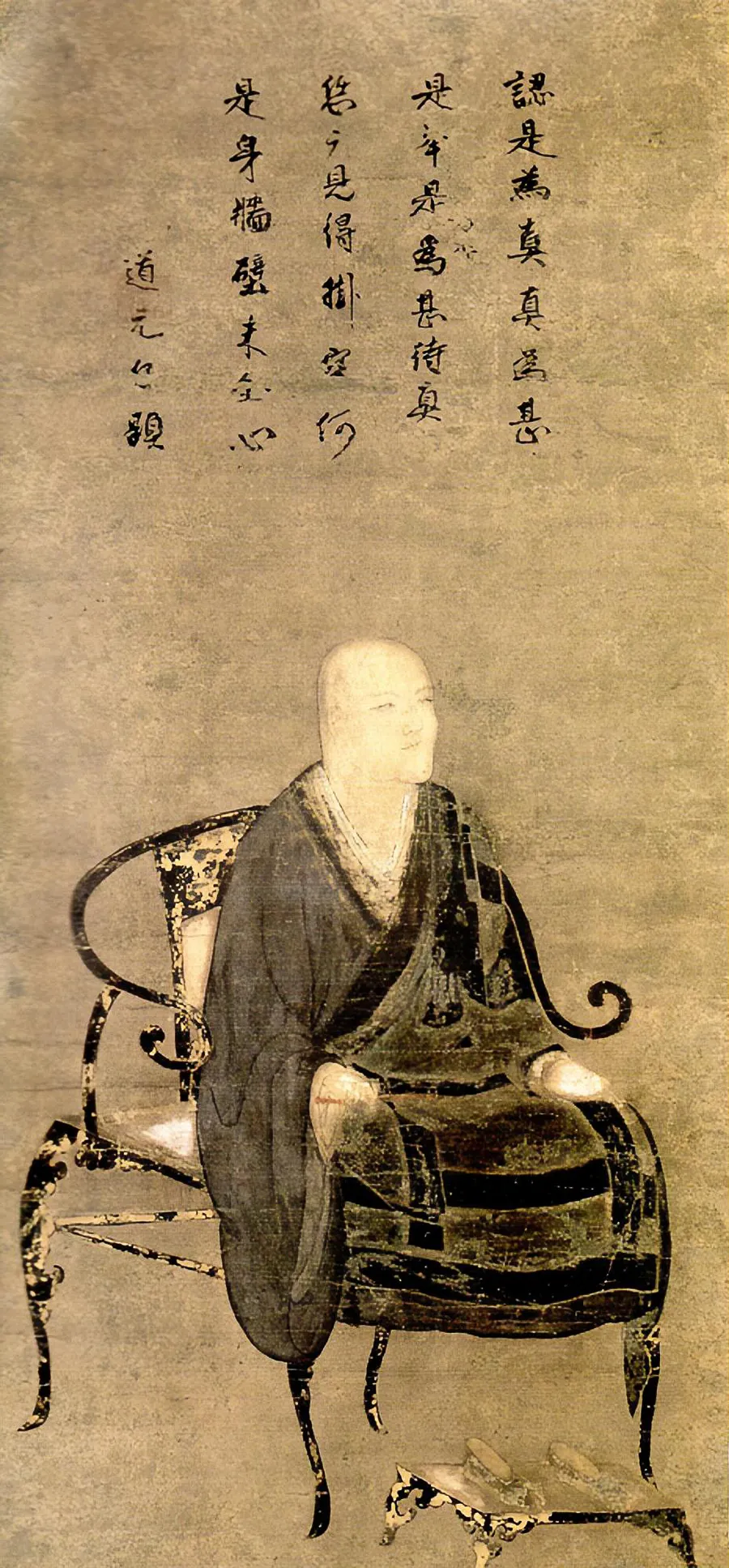
Eihei Dōgen Zenji (1200–1253) traveled from Japan to China in search of the Dharma and trained under the Caodong teacher Tiantong Rujing. After returning to Japan, he established practice communities that became foundational to Japanese Sōtō Zen, including Eiheiji.
Dōgen wrote extensively about zazen, monastic training, language, time, work, ritual, and the activity of awakening. His teaching refuses to separate realization from the concrete act of practice: sitting, bowing, cooking, cleaning, studying, and caring for the community are not preparations for the Buddha’s way. They are its expression.
Facing the Mountain receives this tradition through its Western lineage while asking how its discipline can be practiced faithfully in contemporary Reno—among households, jobs, children, aging parents, rented rooms, and the particular needs of a small local sangha.
向嶽寺 · Kōgakuji
Why “Facing the Mountain”?
Alice gave our sangha the temple name Kōgakuji—Facing the Mountain—in memory of the fourteenth-century Zen teacher Bassui Tokushō and the place where he spent his final years, Kōgaku-an, the Hermitage Facing the Mountain.
Bassui trained with teachers from both Rinzai and Sōtō streams but was more concerned with direct realization than with sectarian identity. He used the teachings and methods available to him while continually returning students to the urgent work of seeing their own nature. His life was devoted to teaching lay and ordained people of differing capacities.
After years of wandering, Bassui eventually settled so that he could continue practicing as he grew older. Others gathered around him, but he resisted the grandeur implied by the word “temple” and preferred to call the place a hermitage.
Our use of the name does not claim institutional succession from Bassui’s community. It is aspirational. A place made by practice rather than property and open to anyone with a sincere drive to study Zen.
Connected communities
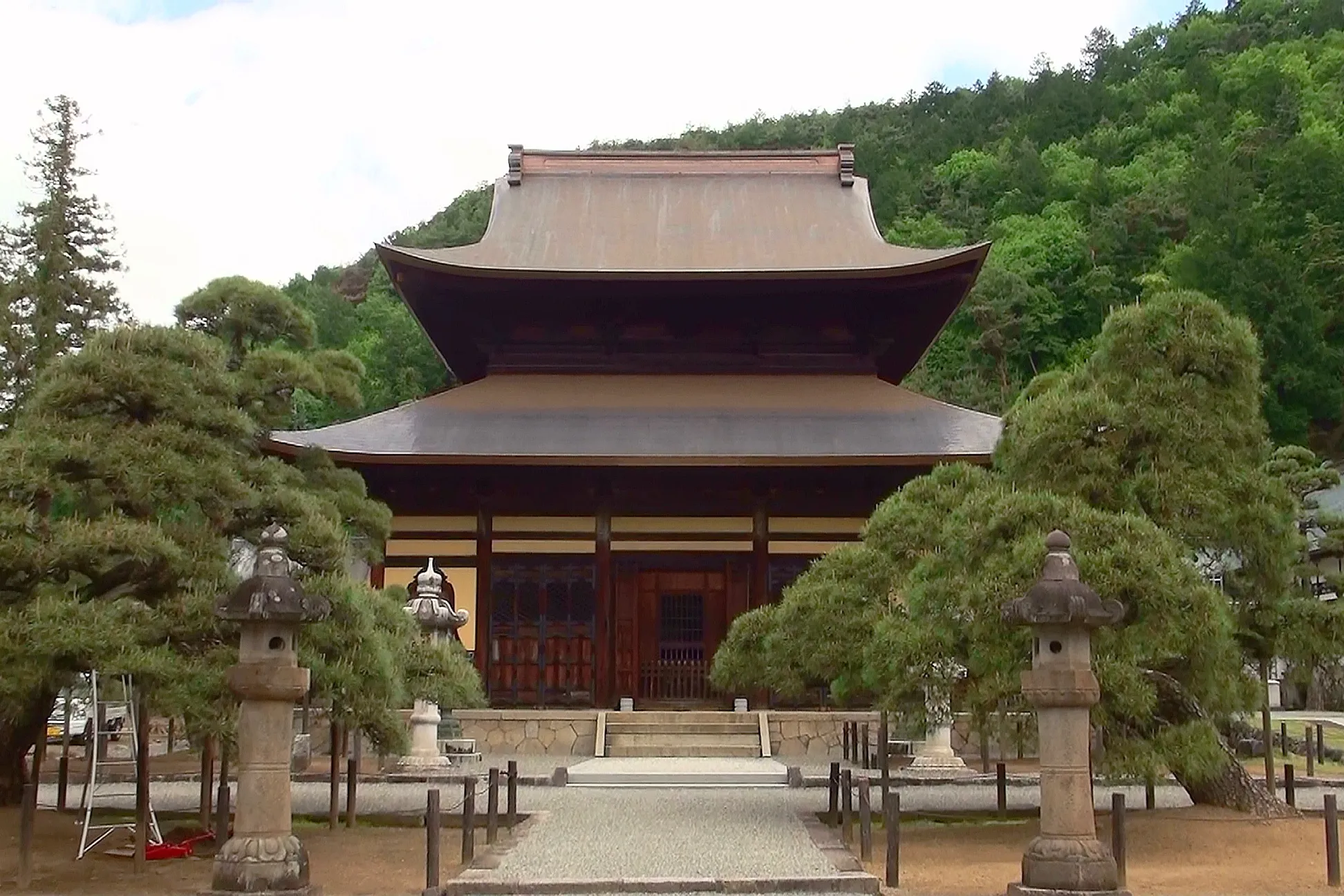
A small sangha does not practice alone. Facing the Mountain shares friendship, teachers, retreats, and mutual support with other mountain communities in our wider lineage.
Our weekly home
Dharmakaya Buddhist Center
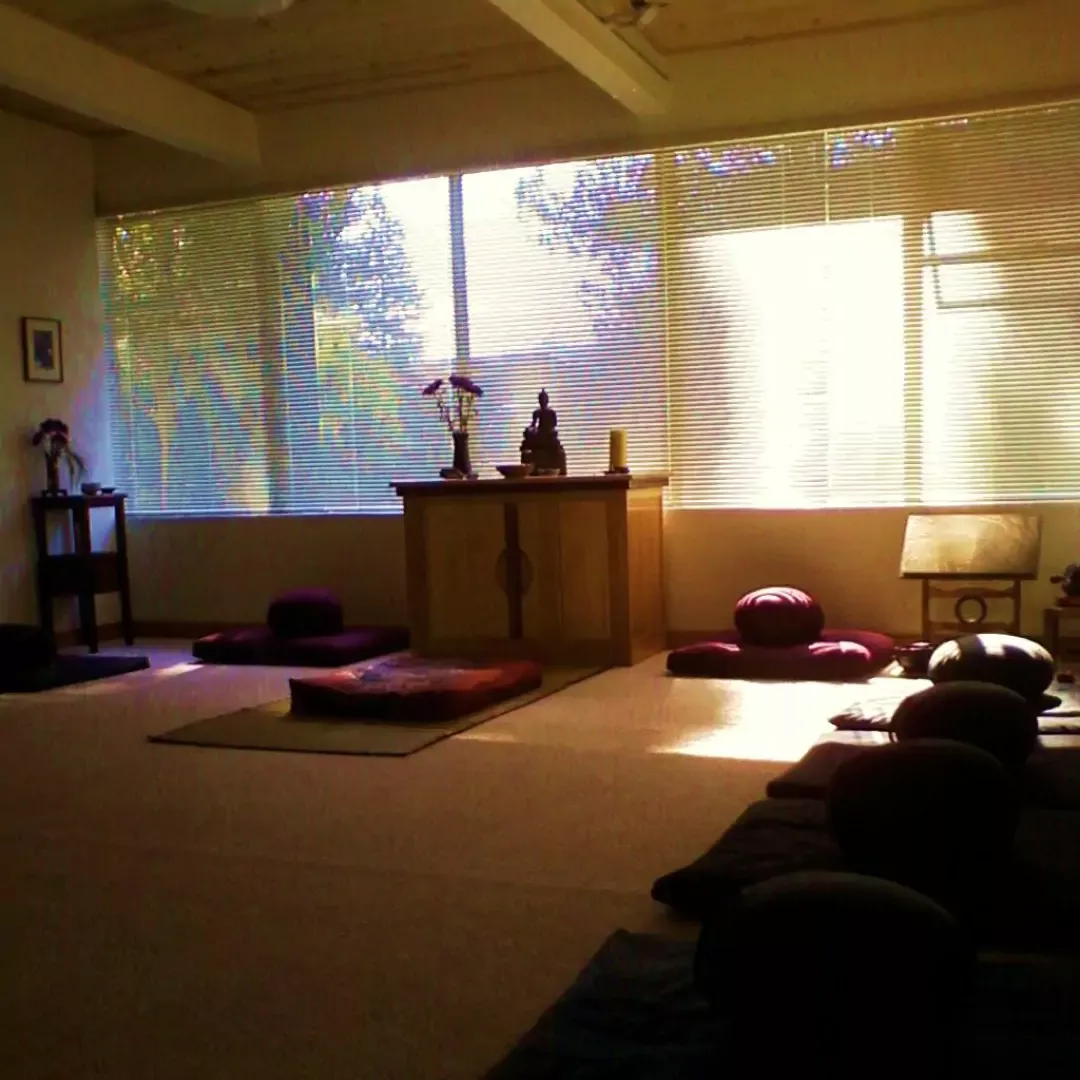
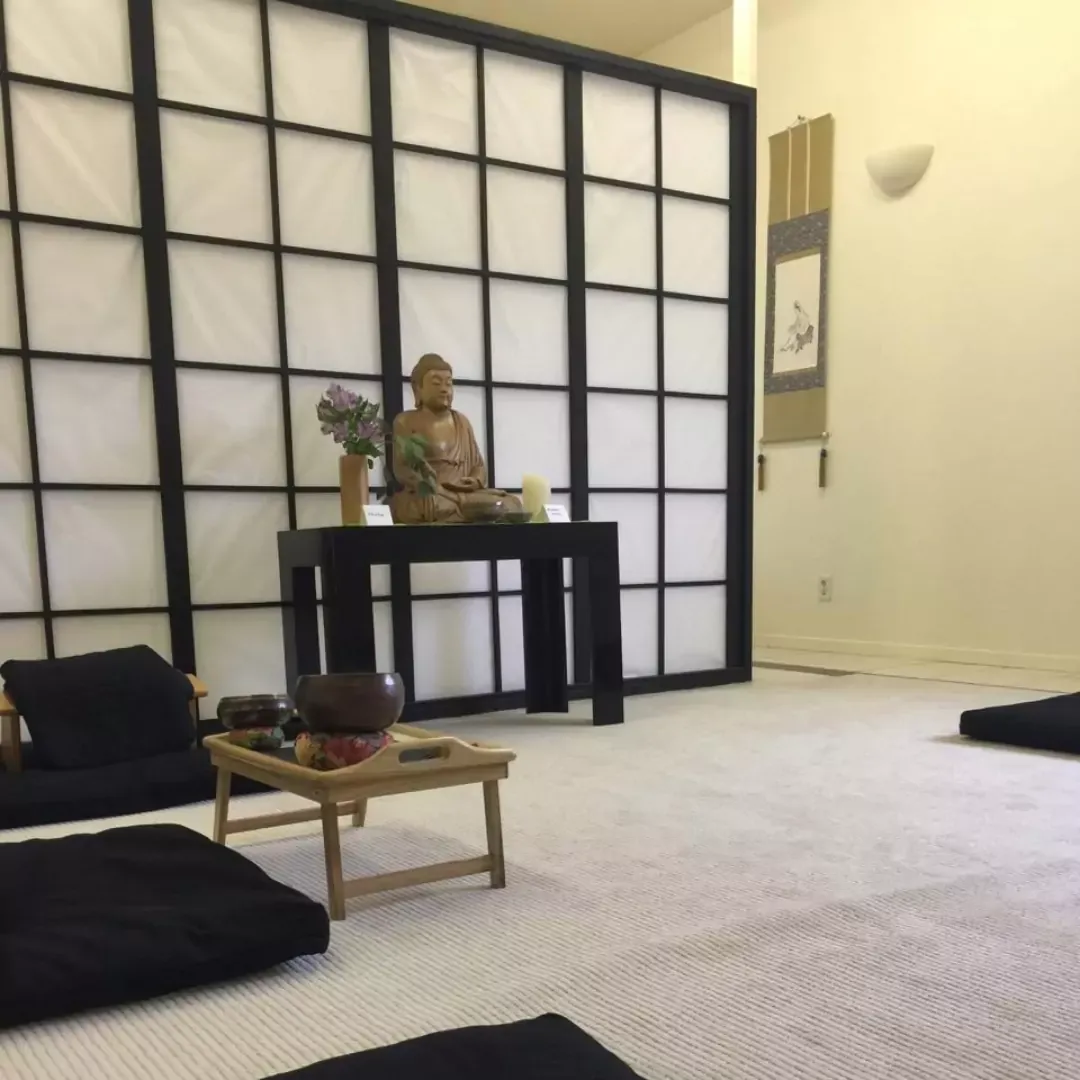
Since 2014, Dharmakaya Buddhist Center has generously hosted Facing the Mountain’s regular Tuesday zazenkai. We do not own the room, but the stability of this shared space has allowed a real zendo and a durable community practice to take root.
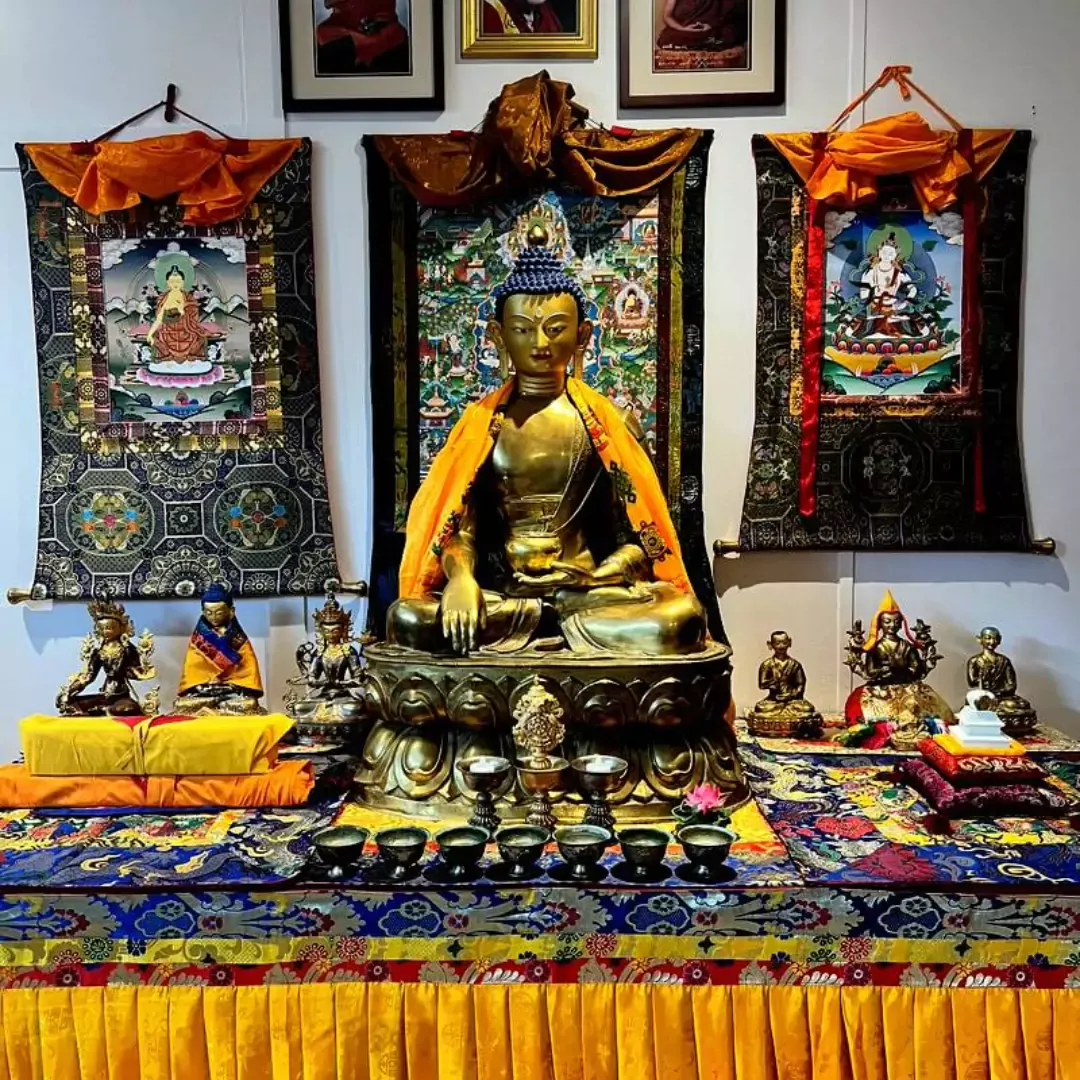
Dharmakaya is a Tibetan Buddhist center in Reno. We are grateful for its long hospitality and for the opportunity for distinct Buddhist traditions to practice alongside one another with friendship and mutual respect.
Practice is the way we meet
The clearest way to understand Facing the Mountain is to sit with us. New practitioners can begin with Beginner’s Night or read more about what to expect before attending.