01
Read a little
We usually take one short section at a time—often only one or two pages, and sometimes a single paragraph.

Book club · Online practice
Reading Buddhist texts low and slow
Our Dharma Study Group—more casually, the book club—meets twice each month to practice with a Buddhist text. We move slowly, usually taking only a short passage at a time and allowing it to accompany us between meetings.
The aim is not to finish books quickly or produce polished interpretations. We read, return, notice, and then explore how the teaching becomes visible in meditation, relationships, work, difficulty, and the ordinary texture of daily life.
Our way of reading
Depth matters more than coverage. A few lines genuinely lived with can offer more than a chapter hurried through before the meeting.
01
We usually take one short section at a time—often only one or two pages, and sometimes a single paragraph.
02
The hope is to read the passage more than once before we meet, letting different phrases surface across ordinary days.
03
We talk about what the text illuminates, unsettles, or asks of our lives and practice—not whether anyone has found the correct interpretation.
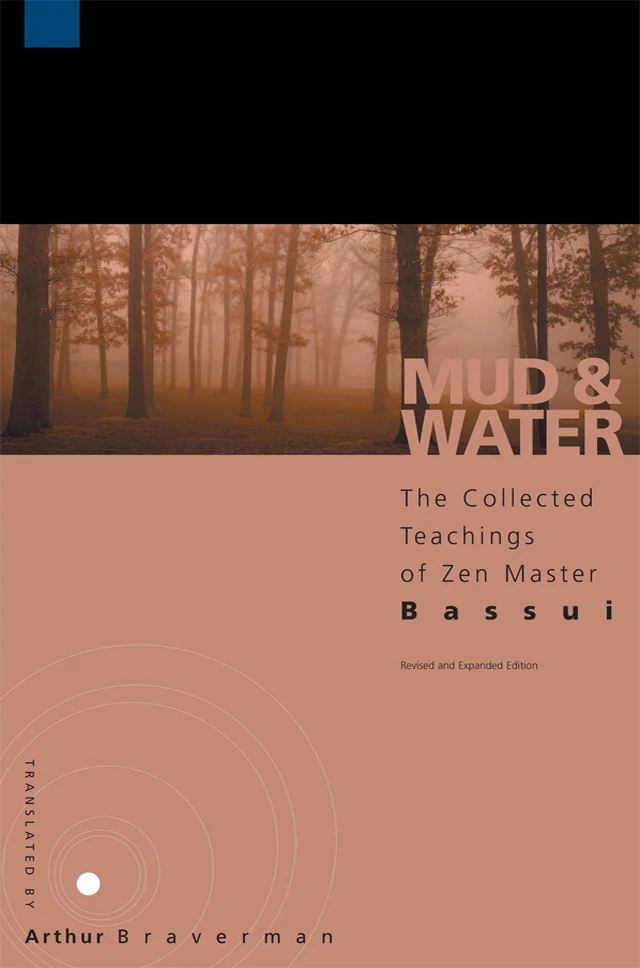
Bassui Tokushō
The Collected Teachings of Zen Master Bassui
Translated by Arthur Braverman
We are reading Bassui one compact teaching at a time. Some selections are one or two pages; others are only a paragraph. The short form lets us revisit a passage several times and bring it into practice before gathering to talk.
These teachings are not strongly sequential, so practitioners already connected with the sangha are welcome to join while the book is underway. There is no need to read every previous section or wait until we begin another book.
The group welcomes beginners and experienced students, priests and lay practitioners. No one needs academic training, a large Buddhist vocabulary, or confidence speaking about texts. Honest attention and a willingness to listen are enough.
At the same time, this is a practice group rather than a public literary or social club. The reading grows out of zazen and shared sangha life, and the conversation often becomes personal. Participation is therefore generally for people who practice with Facing the Mountain in person or online, as well as others with a teacher-approved relationship to the sangha.
Someone entirely new to Facing the Mountain will usually find it better to begin with Beginner’s Night or Tuesday zazenkai. Once there is a real practice connection, the study group can be a natural way to deepen it.
Participating
No. Beginners, experienced practitioners, priests, and lay practitioners read together. No one is expected to give a book report, defend an interpretation, or arrive with specialist knowledge.
Usually, yes. Our current readings from Mud & Water are short and largely able to stand on their own, so current sangha practitioners do not need to wait for the next book or catch up on every earlier section.
Not quite. The group is an extension of shared Zen practice rather than a general-interest discussion group. Participation is generally for people who practice with Facing the Mountain in person or online, along with others who have a teacher-approved relationship to the sangha.
The current passage, meeting notes, Zoom information, and discussion thread are posted in the Facing the Mountain Community on Discourse. Keeping those details there gives the group one dependable place to coordinate between meetings.
First and third Wednesdays · online
The current reading, Zoom link, and discussion thread live in the Facing the Mountain Community. Practitioners who are already connected with the sangha may join the current book at any point; others are welcome to contact us and ask about a good way to begin.